Drop Boxes Explained: Types, Sizes, and When to Use Each
Drop boxes are one of the most versatile structures in an irrigation system. This guide covers the main types, how they work, and how to choose the right one for your application.
Drop boxes are one of the workhorses of an irrigation system. They control water levels in channels, allow water to pass from one level to another, and provide the connection points that make a complex irrigation network manageable. Yet they are often specified without a full understanding of the options available.
This guide covers the main types of drop boxes Milcast manufactures, how they work, and the key factors that determine which one is right for your application.
What Is a Drop Box?
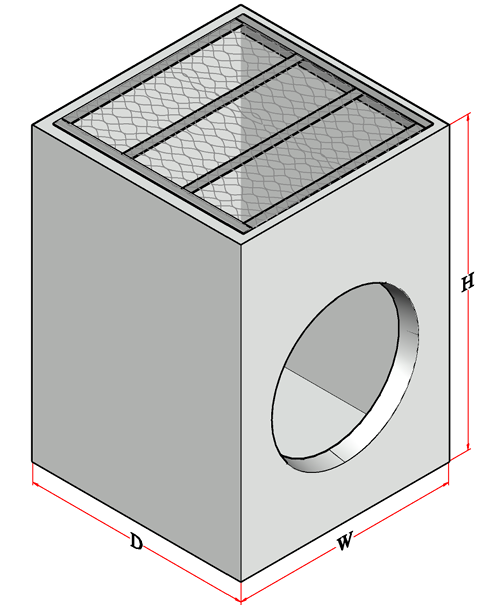
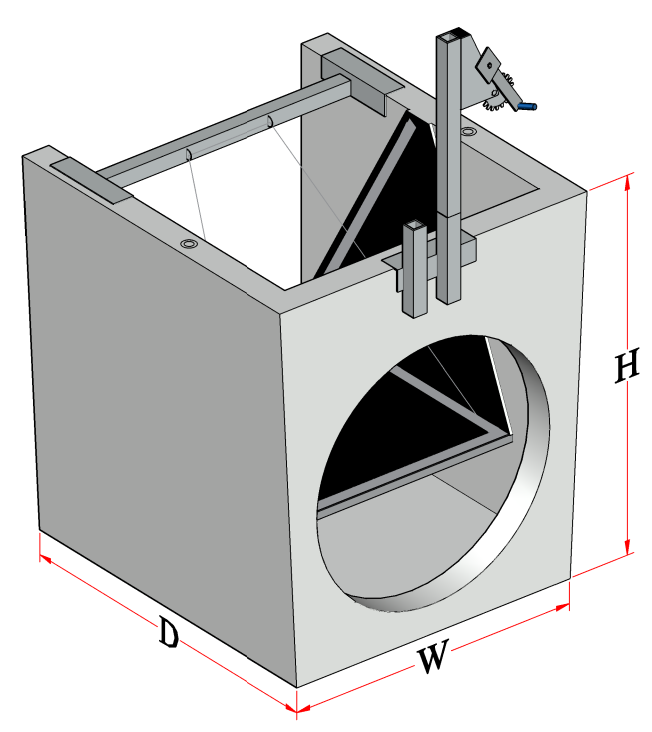
A drop box is a precast concrete structure that allows water to drop from a higher channel level to a lower one in a controlled way. The water enters the box through an inlet at the higher level, drops inside the box, and exits through an outlet at the lower level.
The "drop" is the difference in water level between the inlet and outlet. Managing this drop in a controlled structure — rather than allowing it to occur in the open channel — prevents erosion and allows the energy of the falling water to be dissipated safely.
Drop boxes are used at:
- Channel grade changes — where the channel bed drops to follow the natural terrain
- Regulator structures — where water level in the channel needs to be controlled
- Farm outlets — where water is taken from a channel into a lower-level farm drain or bay
The Main Types
Standard Drop Boxes (DBL, DBHI, DBLO)
The standard Milcast drop box is a rectangular precast concrete box with an inlet opening on one face and an outlet opening on the opposite or adjacent face. The inlet is typically fitted with a slide gate or stop logs to control flow.
Standard drop boxes are available in low (DBLO), standard (DBL), and high (DBHI) configurations to suit different operating heads and channel geometries. These cover the majority of on-farm and district channel applications across the Riverina.
Large Drop Boxes (DBXL)
The DBXL is Milcast's large-format drop box, designed for higher flow rates and larger channel applications where the standard series is undersized. The DBXL suits district-level channels and structures where significant volumes of water need to be managed through a single structure.
Drop Boxes with Bubblers
For on-farm bay irrigation, a drop box is commonly paired with a bubbler — a separate precast concrete structure that dissipates the energy of the water as it enters the bay. The drop box and bubbler are connected by a concrete pipe, which Milcast also manufactures and supplies.
These three components work together as a system:
- The drop box controls the water level in the supply channel and regulates flow
- The concrete pipe carries water from the drop box outlet to the bay
- The bubbler receives the pipe discharge and spreads the flow evenly into the bay without causing erosion
Milcast supplies all three components, so pipe lengths and connection details can be matched to your specific bay layout and head requirements.
Key Sizing Factors
Flow Rate
As with bay outlets, the flow rate through the drop box determines the minimum size of the inlet and outlet openings. Undersizing the inlet or outlet creates a hydraulic bottleneck that limits the capacity of the structure.
Operating Head
The operating head — the difference in water level between the inlet and outlet — affects the velocity of water inside the box and the energy that needs to be dissipated. Higher heads require more robust energy dissipation, either through the geometry of the box or through an outlet apron.
Channel Dimensions
The drop box needs to fit within the channel bank geometry. The inlet invert level must match the upstream channel bed level, and the outlet invert must match the downstream channel bed level. Getting these levels right at the design stage avoids costly adjustments during installation.
Soil and Groundwater Conditions
In areas with high-sulphate soils or groundwater — common in parts of the Riverina — the concrete mix needs to be specified for sulphate resistance. Milcast can advise on the appropriate specification for your location.
Installation Considerations
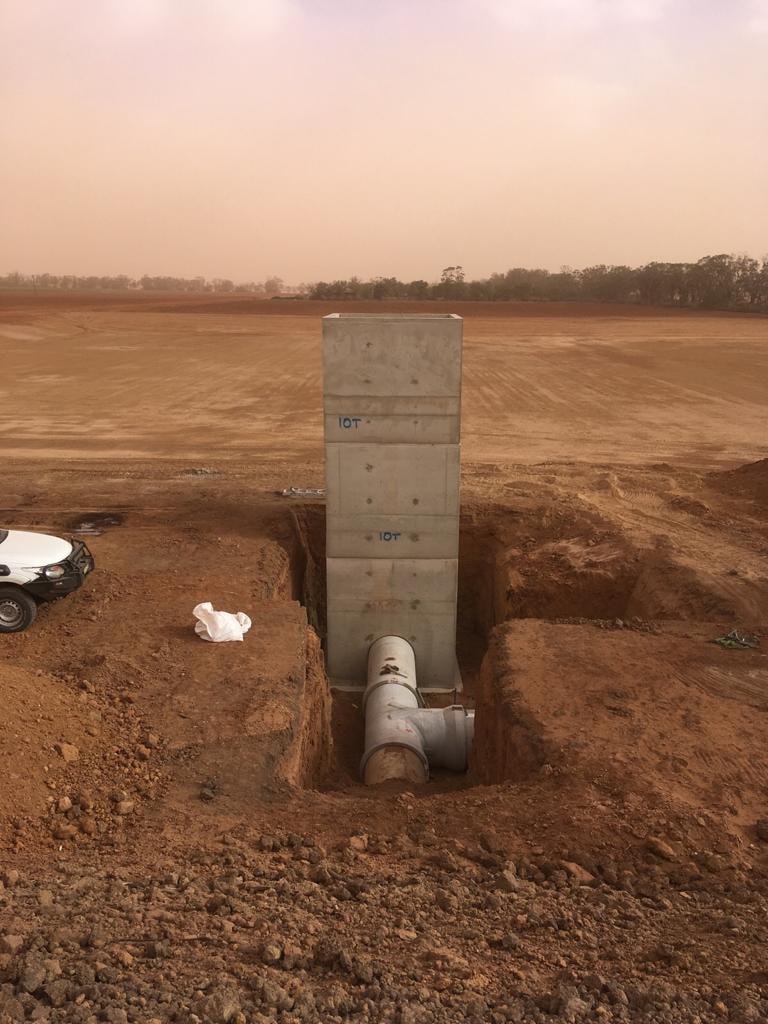
Drop boxes are typically installed by excavating to the required invert level, placing a compacted gravel or concrete bedding layer, lowering the precast box into position, and backfilling and compacting around the structure.
The key installation quality factors are:
- Bedding uniformity — the box must be supported uniformly across its base to avoid point loading and cracking
- Backfill compaction — poorly compacted backfill can cause settlement and impose bending loads on the structure
- Inlet and outlet connections — the connections to the upstream and downstream channels must be watertight to prevent seepage around the structure
Choosing the Right Drop Box
The right drop box for your application depends on:
- Flow rate — determines whether you need a standard (DBL/DBHI/DBLO) or large (DBXL) unit
- Operating head — the difference in water level between inlet and outlet; low, standard, and high configurations are available to match your channel geometry
- Outlet type — open outlet for channel-to-channel applications, or bubbler pipe where the downstream system is piped or submerged
- Channel dimensions — inlet and outlet invert levels must match the upstream and downstream channel bed levels exactly
- Soil and groundwater conditions — high-sulphate soils common in parts of the Riverina require a sulphate-resistant concrete specification
If you are unsure which type or size is right for your application, our team in Finley can help. We work with irrigation districts and contractors across the Riverina every day and can advise on the right product for your specific conditions.
Call us on (03) 5888 3051 or request a quote through our website.
Explore Topics
Written by
Milcast Team
Content creator and writer sharing insights and stories.